
1.Areas and route of research on the destructive biota (phytopathogens) of spring wheat in the North-East of Kazakhstan
The monitoring of destructive biota (phytopathogens) of spring wheat in the North-East of Kazakhstan was carried out on typical farms in the Pavlodar region.
For phytosanitary monitoring, the main wheat-growing areas in different parts of the region (Shcherbakty, Uspen, Zhelezin, Terenkol, Ertis, and Aktogay) were selected, which differ in climatic conditions, vegetation, and geological structure, leading to a corresponding diversity of soil cover (Figure 1).
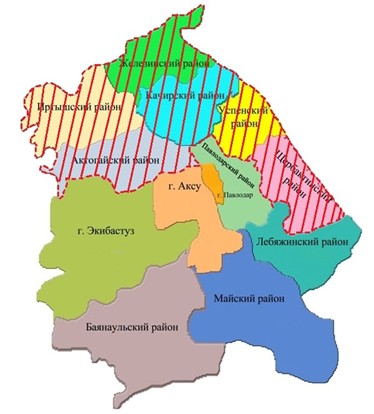
Figure 1 - Route of research on the destructive biota in spring wheat crops (North-East Kazakhstan)
Typical agricultural organisations in different districts were chosen as locations for research. Phytomonitoring was carried out both in spring wheat agrocenoses at different stages of crop development and in nearby natural stations.
Zhelezin, Ertis, Aktogay, Terenkol, and Uspen districts are located in the northern part of the Pavlodar region, while Shcherbakty district is located in the eastern part of the region.