
1 Theoretical foundations of hyperspectral sensing in agriculture
Hyperspectral sensing is a remote sensing technology widely used for monitoring various processes. This approach involves capturing reflected light across hundreds of narrow spectral bands [1]. Compared to multispectral systems, hyperspectral cameras deliver highly detailed spectral information for every pixel within an image [2]. This enhanced spectral resolution allows for more accurate differentiation between healthy and diseased vegetation, as well as among different plant species [3] (Figure 1).
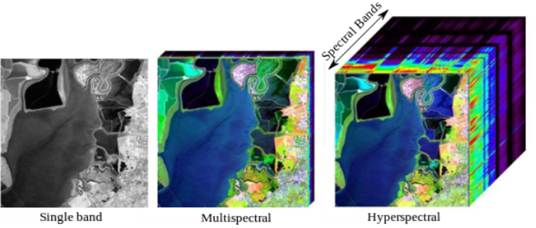
Figure 1 – Examples of spectral image types [4]
The underlying mechanism of hyperspectral imaging is based on generating a specialised three-dimensional dataset called a “hypercube” [5]. This dataset combines two standard spatial dimensions (X and Y coordinates) with a third spectral dimension corresponding to light wavelengths. Consequently, each pixel contains a full reflectance spectrum rather than just colour data. This detailed spectral information supports the analysis of biochemical and physiological traits of plants or specific parts thereof [6] (Figure 2) [4].
Hyperspectral systems function according to key parameters of the data they capture, including spectral and spatial resolution, wavelength coverage, and acquisition speed. Spectral resolution refers to the system’s ability to distinguish narrow spectral bands [1], while spatial resolution relates to the level of image detail and clarity [3]. Typically, these cameras operate within a wavelength range spanning 400 to 1000 nanometres, covering visible light as well as the near-infrared spectrum [5]. Acquisition speed indicates how rapidly images can be recorded, which is important for tracking temporal changes [6].
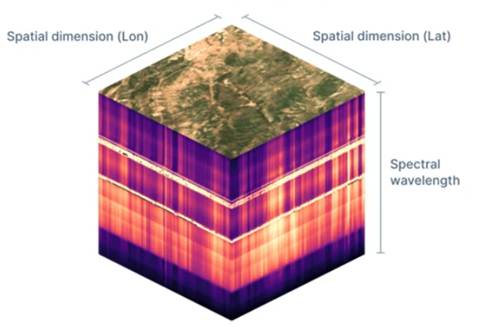
Figure 2 – Visualisation of a hyperspectral data cube [4]
When performing hyperspectral imaging, it is essential to recognise that each plant exhibits a unique spectral signature. A key characteristic of plant tissue is the strong light absorption by chlorophyll in the visible spectrum, especially within the blue-green wavelengths [5]. In the near-infrared region (700-1000 nm), reflectance dominates and is directly related to the internal leaf structure. By monitoring variations in these spectral features caused by diseases, environmental stresses, or nutrient shortages, hyperspectral analysis enables early detection of phytopathological issues and other plant health problems during early growth stages [7] (Figure 3) [4].
While hyperspectral imaging was once considered cutting-edge technology for satellite remote sensing, modern satellite missions such as PRISMA, EnMAP, and the upcoming NASA SBG are now equipped with hyperspectral sensors [8]. These satellites provide global coverage and frequent data updates, supporting large-scale crop monitoring at regional and national levels. However, satellite data still faces limitations in spatial resolution [3].
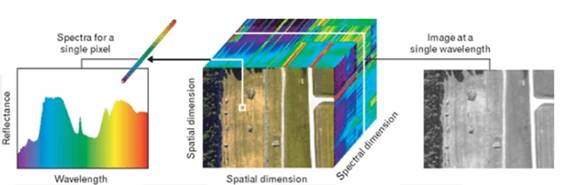
Figure 3 – Spatial and spectral features of hyperspectral data
For precise field-level monitoring, ground-based and near-range platforms are essential. These include portable spectrometers, mobile carts, tripods, and drones outfitted with hyperspectral cameras [6]. Portable devices and tripods are suitable for detailed, small-scale studies, while drones offer rapid surveying capabilities over extensive areas due to their mobility. Such platforms provide high accuracy, enable analysis of individual plants, and adapt well to specific local conditions. They are particularly valuable for training machine learning models and developing diagnostic algorithms [9].
Currently, hyperspectral sensing is widely applied in agriculture for purposes such as:
1) identifying diseases and pest infestations [10];
2) detecting deficiencies in key nutrients like nitrogen and phosphorus [7];
3) monitoring water stress levels [11];
4) managing crop and weed growth [8];
5) estimating yields [3].
As a result, hyperspectral technology has become a critical component of precision agriculture. Its high spectral resolution allows for the detection of subtle biochemical changes in plant tissues that are not visible during application of traditional visual inspection or multispectral imaging.
In conclusion, hyperspectral sensing offers new opportunities for crop monitoring by moving away from subjective visual assessments toward objective, data-driven analysis based on detailed spectral data.