
1.4 Thrips - Thysanoptera
1.4.1 Wheat thrips - Haplothrips tritici Kurd. (Thysanoptera, Phloeothripidae)
Length ranges from 1.2 to 2.2 mm. The body is distinctly elongated, with the thorax widest at the center and tapering symmetrically toward both the head and rear. The abdomen remains mostly parallel-sided before narrowing toward the tip, where the final segment extends into a tube-like shape. The colouration varies from dark brown to nearly black. The antennae consist of eight segments, with the third segment being pale yellowish, while the fifth and sixth are darker. The wings bear additional fine hairs (Figure 15).
The eggs are white. The larval stage is strikingly red, with a contrasting dark head, legs, and antennae (Figure 16).
The pre-pupa and pupa maintain the bright red body colouration, but their head, legs, and antennae are pale and semi-transparent.
Distribution. Found across the forest-steppe and steppe regions of European Russia, the Caucasus, Kazakhstan, and Central Asia, and also recorded in Western Europe, the Middle East, and North Africa.
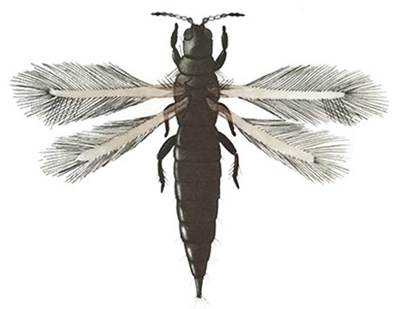
Figure 15 - Imago of wheat thrips - Haplothrips tritici Kurd.
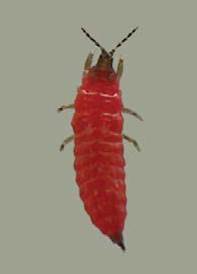
Figure 16 - Wheat thrips larva - Haplothrips tritici Kurd.
These insects overwinter as larvae, remaining hidden in the soil, crop residues, stubble, wild grasses, and occasionally on the leaves of overwintered cereals. With the arrival of spring, adults emerge and begin laying eggs on the spikelets and along the ear axis of cereal plants. Their flight activity typically aligns with the heading stage of spring wheat.
During this period, adults are more frequently observed on the lower leaves of winter wheat and barley. Larval development takes place inside the ears of the plants. Only one generation develops annually.
Harmfulness. They feed on a variety of cereal crops and can cause notable agricultural harm. In cereal plants, they suck sap from the ear. The damaged upper parts of the ear appear bleached and tattered and subsequently dry out. They cause shriveling and underdevelopment of grains.