
1.5 Beetles - Coleoptera
1.5.1 Corn ground beetle - Zabrus tenebrioides Goeze (Coleoptera, Carabidae)
The adult beetle measures between 12 and 18 mm in length and 5.3 to 8 mm in width. Its body is elongated, oval, and distinctly convex (Figure 17). The colouration is typically a uniform black, though occasionally it appears dark brown with a metallic gloss. The legs and antennae are brown.
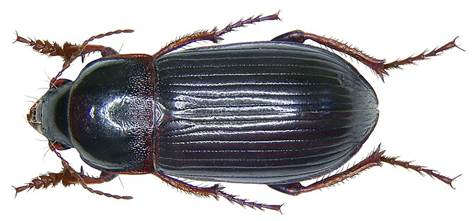
Figure 17 - Imago of the corn ground beetle - Zabrus tenebrioides Goeze
The eggs are spherical, white in colour, and measure about 2.0-2.3 mm in diameter.
The larva can grow up to 25 mm long and has a flattened, elongated body resembling that of a campodeid. Its overall colour is white to greyish, with large hardened (chitinised) brown patches on the dorsal side and smaller spots along the lateral areas of each segment. The final abdominal segment is tipped with a pair of projections known as urogomphi. Larval development proceeds through three instars (Figure 18).
The pupa is exposed and is either white or slightly yellowish in colour.
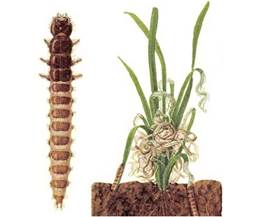
Figure 18 - Corn ground beetle larva and damaged wheat plant
Distribution. Found throughout the forest-steppe and steppe zones of the European part of the CIS, including the Caucasus, the Crimean Peninsula, and the lowlands of Kazakhstan. The species is also present in Central Europe, as well as parts of the Middle East including Turkey, Iraq, Iran, and parts of Syria.
These beetles overwinter in the larval stage, buried 15-40 cm deep in the soil. Pupation primarily takes place in May, though it can occur as early as April or as late as June (Kryajeva & Dolzhenko, 2002). Adults feed on developing grains of wheat and barley, and later contribute to partial grain loss by dislodging kernels from the ears. Their behavior is mainly nocturnal and crepuscular. Following harvest, they congregate in weedy patches near forest edges, on grain-spilled ground, and around straw piles. Eventually, they can be seen on stubble fields around those areas. Females begin laying eggs in July or August, burying them 5-10 cm deep in the soil. In some cases, egg-laying continues into October. According to Migulin et al. (1976), females can produce up to 100 eggs when feeding on grain, while those deprived of food lay significantly fewer - around 30. Larval emergence typically coincides with the early growth of winter cereal crops. In areas where plant debris remains after harvest, it’s common to find larvae at different stages of development coexisting within the same field.
They reside in small burrows beneath the plants they consume. While larvae remain active at soil temperatures between 0 and 10 °C, they do not feed under these conditions (personal communication from R.V. Drobiazko), though this contradicts observations made in the western part of the species' range (Kacso, 1970). Larval feeding occurs at night on the soil surface, while during the day, they retreat to their burrows, often dragging a leaf inside and consuming it entirely. Leaves that larvae have fed on tend to wither and take on a ragged, faded appearance. Infested plants show stunted growth, and when populations are high, large portions of the crop may die off, creating noticeable gaps in the field. In years of widespread infestation, the level of destruction can be so extensive that farmers are forced to reseed entire fields. The larval phase extends over approximately 250 to 260 days, after which the insect enters a pupal stage lasting around 12 to 14 days. This pest produces a single generation annually.
Harmfulness. Considered one of the most harmful pests of cereal crops, it poses a serious threat to grain production. While cultural (agrotechnical) methods remain the most sustainable long-term solution, chemical control is still widely used, especially under current economic conditions.
1.5.2 Cereal chafer, Kuzka - Anisoplia austriaca Herbst. (Coleoptera, Scarabaeidae)
The adult beetle ranges from 11 to 13 mm in length and 5 to 7 mm in width, with a rounded, domed body shape. The pronotum is about 1.3 times narrower than the elytra (Figure 19). Its body is black with a greenish metallic gloss, while the elytra are chestnut in colour, marked with black spots arranged in a rectangular configuration near the scutellum at the base of the wings.
The eggs are oval, white, and measure approximately 2 mm in length.
Larvae can grow to a length of 30-35 mm, and the pupae reach about 16 mm in size, C-shaped with a thickened posterior end, and is yellowish-white (Figure 20).
Distribution. This species is found in the steppe and forest-steppe regions of the European part of the CIS, including the Caucasus, Crimea, and Kazakhstan, as well as in parts of Central and Eastern Europe.
Larvae overwinter in the soil at various stages of development. The larval phase spans around 22 to 23 months. During the first year, larvae feed on decomposing plant matter and roots, typically causing minimal damage to winter crops. In contrast, larvae in their second year can inflict serious harm to the root systems of crops such as cereals, maize, and sugar beet (Belyaev, 1974). Adult beetles are often observed feeding openly on cereal heads, consuming anthers, ovaries, and developing grains through to the wax ripeness stage, and even dislodging ripened grains from the ears. The full life cycle takes about three years to complete.
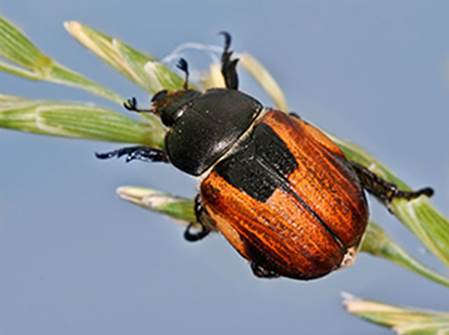
Figure 19 - Cereal chafer, Kuzka - Anisoplia austriaca Herbst.
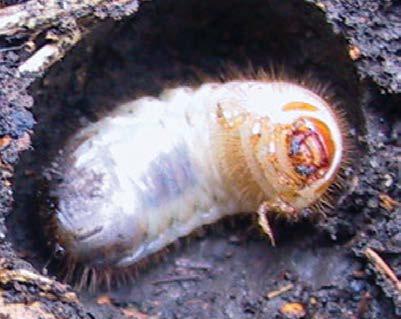
Figure 20 - Cereal chafer larva in a pupal cradle
Harmfulness. This species is considered a significant pest of wheat, rye, barley, and certain wild grasses. The most substantial damage comes from second-year larvae, which target and impair the root systems of these crops, while the beetles damage the grains in the ear by eating them and threshing them out.
1.5.3 Scarab beetle - Anisoplia agricola Poda (Coleoptera, Scarabaeidae)
The adult beetle measures between 9 and 12 mm in length and 5 to 6.7 mm in width. Its body is oval and slightly domed, with the pronotum being about 1.3 times narrower than the elytra. The overall colouration is black with a greenish metallic shine, while the wing covers are chestnut-brown and feature black markings arranged in a cross-shaped pattern (Figure 21).
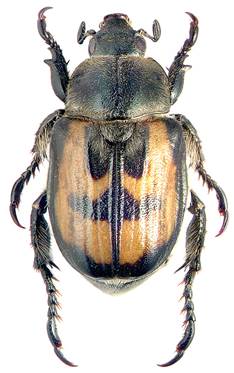
Figure 21 - Scarab beetle - Anisoplia agricola Poda (Coleoptera, Scarabaeidae)
The eggs are oval, white, and around 2 mm long.
Larvae can grow up to 30-35 mm in length. They are curved into a characteristic C-shape, with a noticeably enlarged rear end, and are pale yellowish-white in colour. The pupal stage measures approximately 16 mm.
Distribution. This species is distributed across the steppe regions of the European part of the CIS, including areas such as the Caucasus and Crimea. It is also found throughout Central Europe, southeastern Western Europe, and parts of Asia Minor. Its life cycle and the damage it causes are similar to those of the closely related species described previously. Adult beetles are particularly drawn to cereal crops and primarily feed on developing grains.
1.5.4 Common cereal leaf chafer - Anisoplia segetum Herbst. (Coleoptera, Scarabaeidae)
The adult beetle ranges in size from 9 to 12 mm in length and 5 to 6.7 mm in width, with a rounded, convex body shape. The pronotum is about 1.3 times narrower than the wing covers. Its body is black with a metallic green sheen and is densely covered in long, yellowish hairs. In contrast, the elytra are light brown and bear sparser hair (Figure 22).
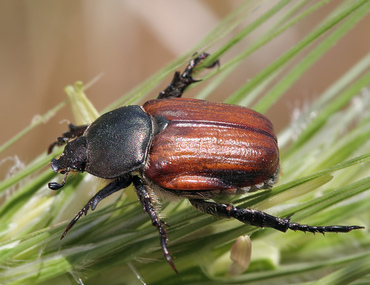
Figure 22 - Common cereal leaf chafer - Anisoplia segetum Herbst.
The eggs are oval-shaped, white, and measure approximately 2 mm in length.
Larvae can grow up to 22 mm long, displaying a curved, C-shaped body with a thickened rear segment and a pale yellowish-white coluor.
The pupa is white and reaches around 15 mm in length.
Distribution. This species inhabits the steppe zones of the European part of the CIS, including the Caucasus and the Crimean Peninsula, and is also found in Central and southeastern regions of Western Europe, as well as in parts of Asia Minor.
Its biological characteristics and the type of damage it causes closely resemble those of the previously described species. However, its life cycle spans two years, with the larval stage lasting around 10 months (Belyaev, 1974). Mature beetles mainly consume the anthers of cereal crops.
1.5.5 Cereal leaf beetle - Oulema melanoрus (L.) (Coleoptera, Chrysomelidae)
The beetle measures 4-4.8 mm in length. The adult beetle is slender, measuring between 1.6 and 2 mm in width. The pronotum is nearly half the width of the elytra, giving it a distinctly narrow appearance in comparison (Figure 23). Its colouration is two-toned: the pronotum and legs are orange, while the elytra are a deep blue with a greenish metallic sheen, marked by evenly spaced rows of small dots.
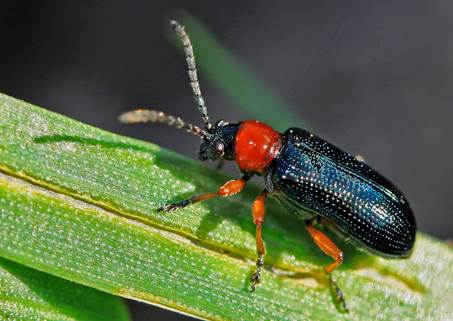
Figure 23 - Cereal leaf beetle - Oulema melanoрus (L.)
Eggs are yellow, spindle-shaped, and about 1 mm in length.
The larva grows up to 7 mm long, has a soft, curved, worm-like body, and is yellow in colour. It is covered in a mucous layer that holds dark brown fecal matter on its surface (Figure 24). The pupa, enclosed in a rounded cocoon, is white and measures 4-4.5 mm in length.
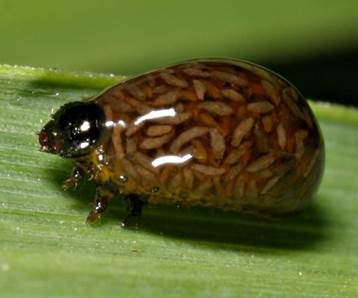
Figure 24 - Cereal leaf beetle larva - Oulema melanoрus (L.)
Distribution. This species is found throughout the forest-steppe and steppe regions of both European and Asian parts of the CIS, including areas such as the Crimean Peninsula, the Caucasus, and the Southern Ural. It is also widespread in Europe, the Middle East, and North Africa, and has been introduced to North America (Haynes, 1973).
Adult beetles overwinter in the soil at depths of 2 to 5 cm. They emerge in spring - typically between April and May - and are most active during daylight hours. Females deposit their eggs on grass leaves, laying them in small linear clusters. Fecundity can reach up to 200 eggs.
1.5.6 Grain flea beetle - Phyllotreta vittula Redt. (Coleoptera, Chrysomelidae)
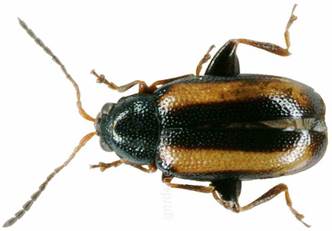
The beetle measures 1.5-1.8 mm in length and 0.6-0.8 mm in width, with an elongated oval shape and a convex body. The pronotum is narrower than the elytra (Figure 25). It is typically black with a metallic green or blue sheen, and the elytra have a wide pale yellow stripe running down the center.
The egg measures 0.5 mm in length and is pale yellow in colour. The larva can reach a length of 3.5 mm and has a worm-like shape. It possesses a tough spine at the rear end of its abdomen, and its body is yellow with a dark-coloured head and toughened segments.
The pupa appears darker than the larva.
Distribution. This species is found in the steppe and forest-steppe regions of both the European and Asian parts of the CIS, as well as in Western Europe, Central and Eastern Asia, and North Africa.
The beetles overwinter beneath plant litter and within the soil. They make their appearance early in spring, usually with the arrival of the first warm days. These beetles feed on the leaves of grasses, primarily targeting the parenchyma on the upper surfaces. Females lay their eggs in the soil. The larvae are decomposers. Pupation takes place during the mid-summer, and the next generation of beetles emerges later in the season. Afterward, they continue to feed on grass leaves before entering hibernation in the fall. The species completes one generation annually.
 ;
;
Figure 25 - Grain flea beetle - Phyllotreta vittula Redt.
Harmfulness. This insect is a major threat to spring cereals and barley, although it inflicts minimal harm on corn and oats. Damage to winter crops is occasionally less apparent due to the strong growth of the plants. In areas with sparse vegetation, young damaged leaves turn yellow, while well-established plants may show signs of bleaching (Figure 26). Over time, the affected leaves dry out, leading to stunted growth in the plants, particularly in those that are weak or have shallow root systems.
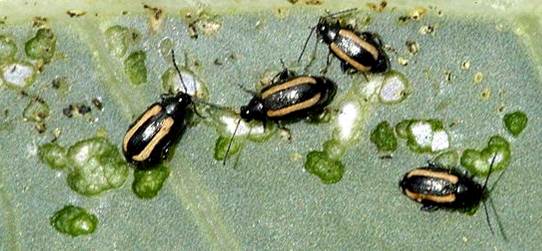
Figure 26 - Leaf damage by flea beetles
1.5.7 Stem flea beetle - Chaetocnema aridula Gyll. (Coleoptera, Chrysomelidae)
The beetle measures 2-2.5 mm in length and 1.1-1.4 mm in width. This insect has an oval, elongated, and slightly convex body shape. The pronotum at its base is somewhat narrower than the elytra. Its colouration is black with a metallic sheen that can range from bronze to green, while the 2nd to 6th segments of the antennae, as well as the tibiae and tarsi, are tinged with reddish-brown (Figure 27).
The egg measures 0.81 mm in length, is oval, and has a white appearance. The larva can grow up to 5 mm long, with a yellowish-white body. Its head, along with the first and third thoracic segments, is brown, and the body is covered in brown chitinous plates across all segments.
Distribution. The species is found across the steppe regions of the European part of the CIS, including Western Siberia, Kazakhstan, and Central Asia, as well as in Europe and Northern China.
The beetles spend the winter under plant matter, primarily in forested areas. As the first warm days arrive, they move into fields, where they also feed on leftover cereal leaves from the previous season. They begin by inhabiting winter crops and later transition to those sown in spring. Females deposit their eggs on decaying leaves or coleoptiles. After hatching, the larvae burrow into the stem, creating channels that damage the plant’s tissues and growth point. This causes the central leaf to wilt, resembling the harm done by the frit fly. The larvae are capable of moving from one plant to another and require 2-3 weeks to mature. Pupation occurs in the soil during June, with the adult beetles emerging in mid-summer.
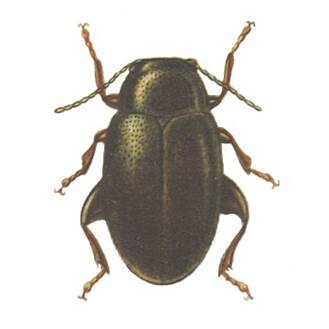
Figure 27 - Stem flea beetle - Chaetocnema aridula Gyll.
The adult beetles continue to feed on cereal leaves. They go into hibernation in autumn. They develop in one generation.
Harmfulness. Only larvae cause damage. They harm barley and are dangerous to spring cereals.
1.5.8 Corn flea beetle - Chaetocnema hortensis Geoffr. (Coleoptera, Chrysomelidae)
The beetle measures 1.6-2.3 mm in length and 0.9-1.3 mm in width. This insect has an oval, convex shape. Its pronotum is narrower than the elytra (Figure 28), and its colour is a consistent dark bronze or blue with a green metallic shine. The egg is 0.63 mm long, spindle-shaped, and yellow. The larva can grow up to 5 mm in length, resembling a worm, with a chitinous spine on the last abdominal segment. It is white in colour (Figure 28).
Distribution. This species is found across the European and Asian regions (excluding the Far East and Extreme North), as well as in Europe, North Africa, and parts of Near and Central Asia.
Its behavior and impact on crops are similar to the previously mentioned species. Females lay their eggs in the soil, typically at the base of young plants.
Western Siberia, Kazakhstan, and Central Asia, as well as in Europe and Northern China.
The beetles spend the winter under plant matter, primarily in forested areas. As the first warm days arrive, they move into fields, where they also feed on leftover cereal leaves from the previous season. They begin by inhabiting winter crops and later transition to those sown in spring. Females deposit their eggs on decaying leaves or coleoptiles. After hatching, the larvae burrow into the stem, creating channels that damage the plant’s tissues and growth point. This causes the central leaf to wilt, resembling the harm done by the frit fly. The larvae are capable of moving from one plant to another and require 2-3 weeks to mature. Pupation occurs in the soil during June, with the adult beetles emerging in mid-summer.
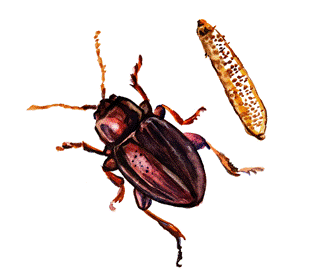
Figure 28 - Corn flea beetle - Chaetocnema hortensis Geoffr.