
1.8 Dipterans – Diptera
1.8.1 Hessian fly - Mayetiola destructor Say. (Cecidomyiidae, Diptera)
This is a small fly, measuring between 2.5 and 3.5 mm, with a slender body and dark grey or brownish colouration. Females are marked with reddish spots on their abdomens. The antennae are long, covering about a third of the body length in females and about two-thirds in males Figures 35 and 36).
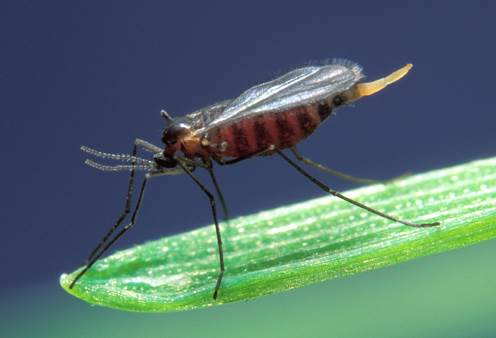
Figure 35 - Female Hessian fly - Mayetiola destructor Say., (Photo by Scott Bauer)
The egg can reach up to 0.5 mm in length, with a cylindrical and elongated shape. It starts off transparent and gradually develops reddish spots as it matures. The first-stage larva is 0.8 mm long, spindle-shaped, and either white or pale pinkish-yellow. Its greenish intestine can be seen through its semi-transparent skin. The second-stage larva grows to a length of up to 4 mm and is somewhat flattened.
The false cocoon measures 3.5 mm in length, has a lance-like shape, and is dark brown in colour (Figure 37).
Distribution. This species is found across the European and Asian parts of the former USSR, excluding the Far North. It is also present in Europe, the Middle East, Central Asia, Northern Africa, and North America.
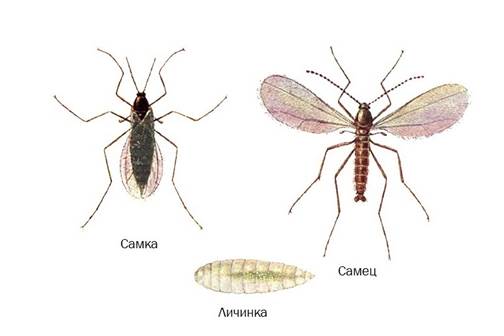
Figure 36 - Hessian fly - Mayetiola destructor Say.
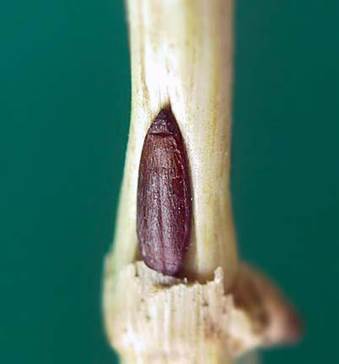
Figure 37 - False cocoon of the Hessian fly - Mayetiola destructor Say, pupa in the stem of wheat
The larvae overwinter in pupae hidden in the leaf sheath on plant litter or couch grass. Pupation occurs in the spring, with adult flies emerging in the steppe areas from late April to early May. Once they emerge, the adults do not feed. Females lay their eggs on the leaves near the stem, with a maximum of 500 eggs, although the typical number is around 180. Once hatched, the larvae move into the leaf axils and feed on the growing tissue for 24 to 30 days. Before the stem begins to elongate, damage is seen as thickened shoots with broader leaves and darker colouration. Once the stem starts elongating or during that process, the damage becomes more noticeable, with stems becoming bent or misshapen. Affected fields may look as though they’ve been grazed by animals.
Pupation takes place where the larvae have been feeding, with the pupal stage lasting around two weeks. The emergence of the next generation is influenced by weather conditions; in dry periods, the larvae may enter a state of dormancy. The development of the egg lasts between 4 and 7 days, the larval stage lasts from 10 to 14 days, pupation lasts 10 to 12 days, and the adult flies survive for 5 to 7 days. On average, the species produces 2 to 5 generations annually, with southern Russia typically experiencing 4 generations.
Harmfulness. During the tillering stage, the harm is seen in delayed plant growth or even plant death. In the tube formation stage, it causes lodging of the plants, leading to developmental delays, uneven ripening, harvesting difficulties, and ultimately a reduction in both yield and quality.
1.8.2 Wheat gall midge, Yellow grain gall fly - Contarinia tritici Kirby (Cecidomyiidae, Diptera)
A small fly measuring 1.5-2 mm. The insect is slim and vibrant yellow with brown eyes. The antennae of the male are longer than the body, approximately 1.5 times the length (Figure 38), while the female's antennae are shorter than the body (Figure 39).
The egg is up to 0.4 mm long, cylindrical and transparent. The larva can grow up to 2 mm long, cylindrical and slightly spindle-shaped; newly hatched larvae are white but turn yellow as they grow (Figure 40). The front edge of the head is slightly indented.
The false cocoon has a diameter ranging from 1.2 to 1.5 mm, appearing round and dirty white.
Distribution. In the CIS, it inhabits the forest-steppe and steppe zones throughout the European and Asian territories, including the Caucasus. Additionally, it is found in Europe and North America.
Throughout the winter, the larvae stay inactive in the soil, enclosed within the false cocoons. By the end of April, they migrate to the upper layers of the soil, where they begin the process of pupation. The adult insects generally emerge in the early days of May. Their widespread emergence often coincides with the beginning of ear formation in winter wheat. The females lay their eggs underneath the scales of the flowers. After emerging, the larvae nourish themselves on the ovary and, on occasion, the growing grains.
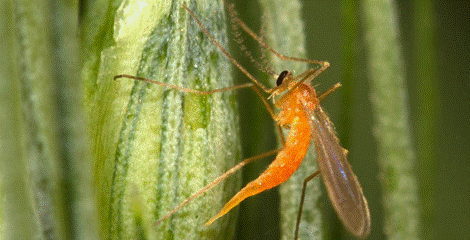
Figure 38 - Wheat gall midge Contarinia tritici Kirby, male
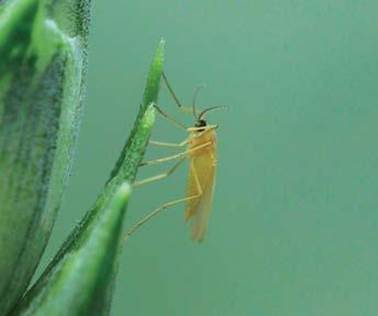
Figure 39 - Wheat gall midge Contarinia tritici Kirby, female
Typically, six to seven larvae mature on each grain, though as many as 176 individuals have been recorded. Prior to harvest, when the weather is moist, the larvae abandon the ears, dig into the soil, and construct false cocoons. In the ground, they shed their skin and curl into a C-shape, utilising the discarded skin to form a protective cocoon. These larvae, while in the soil, can resemble contaminated seeds of common pigweed. The species completes its life cycle in a single generation (Glebov, Orlov, 1999).
The damage results in lower crop yields and poorer grain quality.
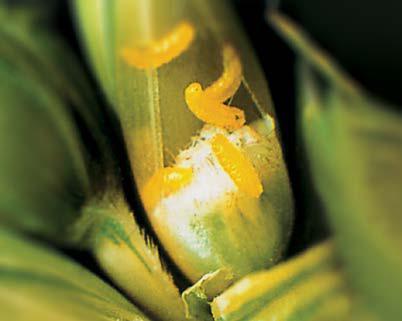
Figure 40 - Larvae of the Wheat gall midge Contarinia tritici Kirby
1.8.3 Orange grain gall midge - Sitodiplosis mosellana Gehin. (Cecidomyiidae, Diptera)
The midge has a length of 1.5 to 2.5 mm, with a slim body that is orange or orange-red, and a brown head with black eyes (Figure 41). Its ovipositor is flat and extends about halfway along the length of the abdomen (Kenneth, 1931; Basedow, 1979).
The egg is elongated and cylindrical, initially transparent, but gradually adopting an orange tint as it develops, with a maximum length of 0.5 mm.
The larva has a cylindrical form, coloured yellow-orange, and features a prominent lobe at its anterior edge.
Distribution. This species is present across the forest, forest-steppe, and steppe areas of the European part of the CIS, including the Caucasus region. It is also found throughout Europe and North America.
The adult midge emerges when wheat begins to flower, roughly two weeks later than the Wheat gall midge. These adults typically appear in June and July. The larvae feed on the maturing grains and enter the pupal stage during the wax ripeness phase of the grain in June. This species completes its life cycle in one generation.
The harm caused by this pest is evident in the reduction of both crop yield and grain quality.
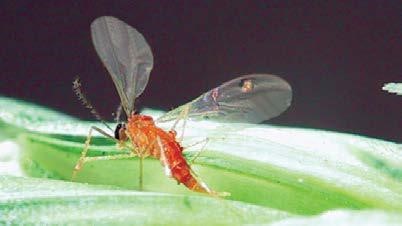
Figure 41 - Orange grain gall midge - Sitodiplosis mosellana Gehin.
1.8.4 Opomyza - Opomyza florum Fabricius (Diptera, Opomyzidae)
The fly ranges from 3.5 to 4 mm in length, with a slim body that is yellowish-brown, adorned with brown spots on the wings (Figure 42).
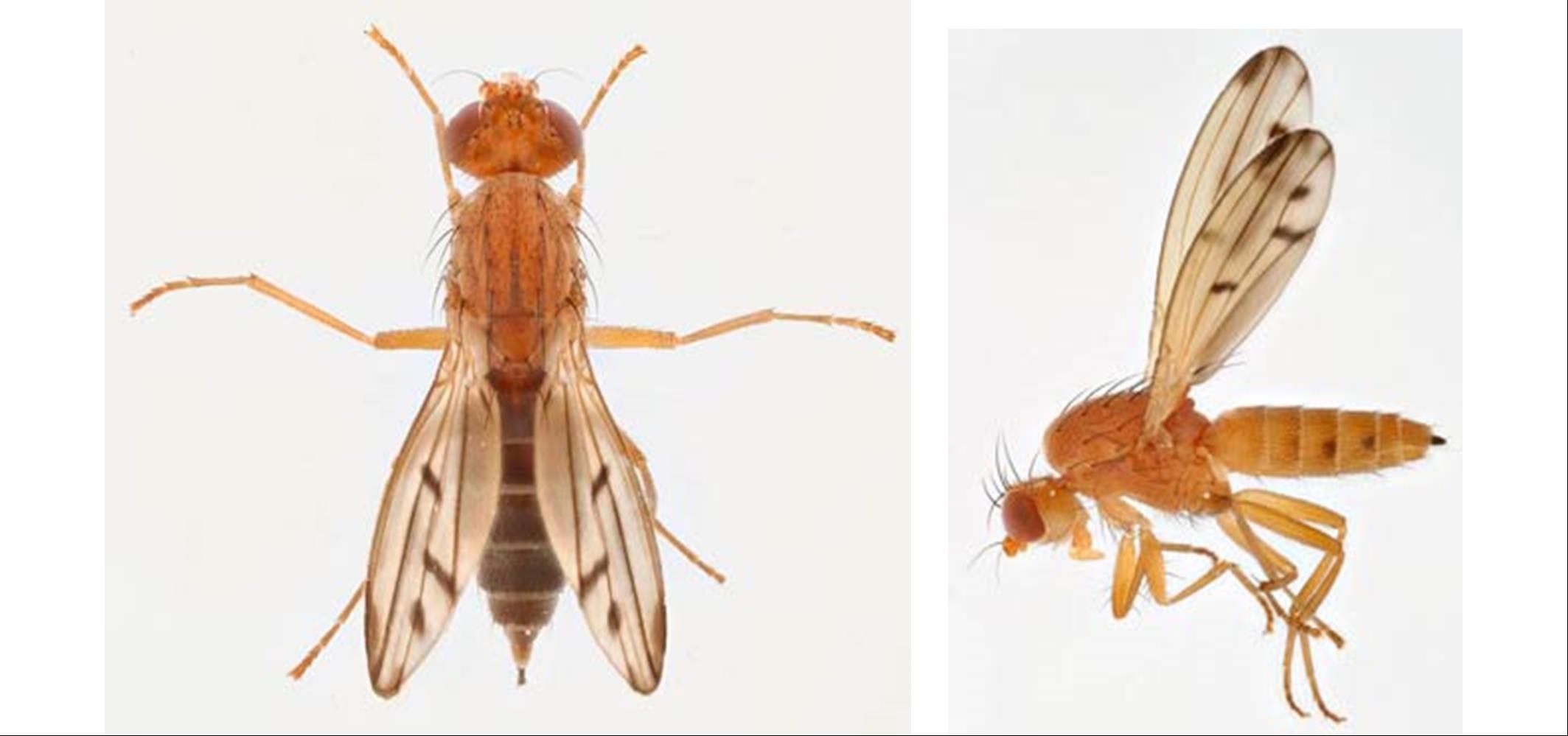
Figure 42 - Opomyza - Opomyza florum Fabricius
The egg is oval, slightly curved, measuring between 0.6 and 0.8 mm, with longitudinal ridges and a swelling at the narrower end, appearing white in colour.
The larva can grow up to 8 mm long, exhibiting a cylindrical form and a pale yellowish or white hue.
The puparium, which is elongated and oval, reaches up to 5 mm in length, with four protruding teeth at the front and two at the rear, and is brown in colour.
Distribution. This species occurs in the forest, forest-steppe, and steppe areas of the European part of the CIS. It is also found in various regions across Europe.
After overwintering in the eggs within the topsoil layer (Belyaev, 1974), the larvae hatch and penetrate the plant, damaging the growing point. In the spring, the initial symptoms of damage are observed as the central leaf begins to wilt and turn yellow, eventually dying off. The larvae then transition into the pupal stage within the shoots. The adult flight period occurs between late May and early June, with the pupa reaching maturity in about 20 days (Shamina et al., 2002). The species completes its lifecycle in a single generation.
The damage caused by this pest is considerable, particularly to the central stem in early spring. It poses a significant threat to cereal crops, potentially leading to severe crop losses, with damage reaching up to 80% (Belyaev, 1974).
1.8.5 Meromyza fly - Meromyza nigriventris Mcq. (Chloropidae, Diptera)
The adult of this fly species measures between 3 and 3.5 mm in length and shows a variety of colour patterns. The spring variant displays black stripes on the mesonotum and a black abdomen, while the summer variant has brown mesonotal stripes and a pale green or yellowish abdomen marked with dark spots. The stripes on the pronotum are slightly powdered and often merge at the front (Figure 43).
The egg measures 0.6 mm, is curved, ribbed, and white.
The larva can attain a size of 7-8 mm, characterised by its cylindrical shape and green colouration, with mouthparts featuring three sharp, pointed teeth. The puparium, which ranges from 5 to 6.5 mm in length, has a cylindrical shape and is clear, enabling the greenish larva to be seen through its translucent outer shell.
Distribution. This species is distributed throughout the CIS, though it is absent from the most northern areas. It is also found in Western Europe, Iran, Mongolia, China, Japan, and parts of North America.
The final larval stage overwinters within the stems, with pupation occurring in the spring. The adult flight period typically spans May and June. Females deposit their eggs on the upper surfaces of leaves from fully matured plants, with a fecundity of up to 30 eggs. The eggs hatch within 10-12 days, and the larvae require 15-45 days to reach maturity. This species completes its life cycle in two generations.
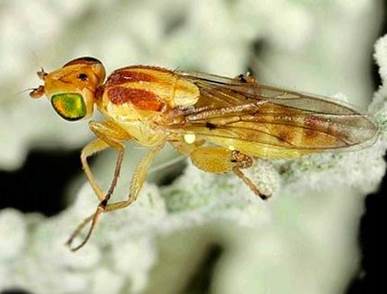
Figure 43 - Meromyza fly - Meromyza nigriventris Mcq.
Harmfulness. The pest thrives in humid habitats and causes damage to both cultivated and wild cereals. The extent of its harm to other forage plants remains to be confirmed. Damage to winter cereal crops during the tillering phase resembles damage from the Swedish fly, while damage during the booting phase resembles that from the chloropid gout fly. Damage to the ear resembles that caused by the cereal leaf miner.
1.8.6 Chloropid gout fly - Chlorops pumilionis Bjerk. (Chloropidae, Diptera)
The fly is 3.5-4 mm long. The adult insect is pale yellow with three black stripes running along the mid-back and a dark triangular spot on the forehead. The terminal segments of the legs are shaded, and the third segment of the antennae is black.
The egg measures 0.8 mm in length, has irregular longitudinal ridges, and is white.
The larva can grow up to 7 mm long, exhibiting a cylindrical shape and a white or yellowish colour. The mouth hooks have one sharp tooth (Figure 44).
The pupa is cylindrical, measures between 6 and 6.5 mm in length and is light brown.
Distribution. This species is found throughout the CIS, including the entire European region, the Caucasus, Siberia, and the Far East (Bey-Bienko, 1949), as well as the mountainous areas of Central Asia. It is also present in Northern and Central Europe.
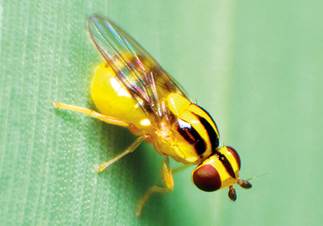
Figure 44 - Chloropid gout fly - Chlorops pumilionis Bjerk.
The second and third instar larvae spend the winter inside the stems of winter cereals, resuming feeding when spring arrives.
Pupation takes place within the plants in May. The adult flight period typically occurs from late May to June, aligning with the lilac blooming season. Females deposit their eggs on the upper leaf surfaces, with the potential to lay as many as 150 eggs. The egg hatches in 11 to 13 days, the larval phase lasts between 21 and 42 days, the pupal phase ranges from 15 to 35 days, and the adult stage lasts 15 to 20 days. The life cycle of this species is completed in two generations.
Harmfulness. The affected stem either fails to emerge or experiences delayed development. The second generation causes damage to the seedlings of winter cereals and wild grasses. The growth of these plants is significantly hindered, leading to a decrease in productivity by nearly half (Sekula et al., 1965).
1.8.7 Black wheat fly, wheat fly - Fhorbia fumigata Meigen (=Fhorbia securis Tiensuu) (Diptera, Anthomyiidae)
The adult fly measures between 3.4 and 6 mm in length and has a black body with dark-tinted wings (Figure 45).
The egg typically measures between 1 and 1.37 millimeters in length. It has an elongated oval form, is slightly curved, and appears white in colouration.
The larval stage may attain a maximum length of approximately 10.2 millimeters. Its body is cylindrical, gradually narrowing toward the anterior end, and displays a colour that ranges from white to a pale yellowish hue (Figure 46). The pupa, shown in Figure 46, is brown in colour and exhibits an elongated oval shape. It can reach up to 5.5 millimeters in length and about 2 millimeters in width.
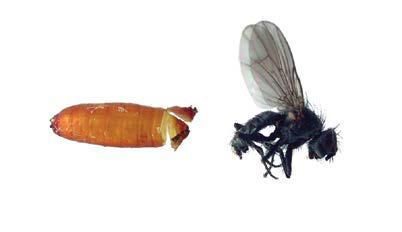
Figure 45 - Black wheat fly, wheat fly - Fhorbia fumigata Meigen
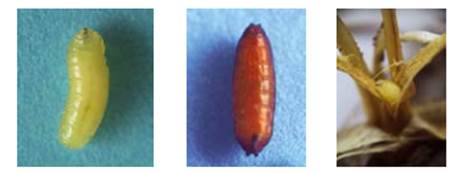
а б в
a - larva; b - pupa; c - larva in wheat stem
Figure 46 - Egg, pupa of Black wheat fly - Fhorbia fumigata Meigen
Distribution. The species occurs throughout the southern areas of the European sector of the CIS, with its range extending into the North Caucasus and the southern parts of Siberia. Outside this region, it has also been recorded in parts of Western Europe, North Africa, and across North America.
During the autumn generation, females lay their eggs directly onto the host plants. In natural environments, a single female can produce as many as 20 eggs. After hatching, the larvae penetrate plant tissues, with the greatest potential for damage observed around the third leaf stage (Makhotkin, 2001, 2002). As they approach pupation, the larvae move into the soil, where pupae develop within the upper soil layers. The spring generation begins to emerge in April. Females from this cohort deposit their eggs within the leaf sheaths of lateral tillers. Feeding activity at the plant's growing point can lead to chlorosis, wilting, and eventual death of the central leaf, and in severe cases, may result in the entire shoot dying. Once fully developed, the larvae return to the soil to pupate, particularly when soil moisture is sufficient. Adults of the autumn generation usually emerge and disperse between September and October. Both the egg and larval stages last approximately 25 to 30 days, while the adult lifespan ranges from 30 to 45 days. The species is capable of producing one or two generations per year, depending on climatic and environmental conditions.
Harmfulness. In regions where the pest reaches high population densities, it can inflict considerable localised harm, occasionally leading to complete destruction of affected plants. Crops established early in the growing season are particularly at risk. Within the North Caucasus, this species is recognised as a major pest of cereal crops, with the capacity to significantly diminish grain production.